All about CT, MRI and intral oral scanners in dentistry
- Kashifa Muskan
- Jun 5, 2024
- 1 min read
In dentistry, CT scans, MRI scans, and intraoral scanners are used for various diagnostic and treatment planning purposes.
CT Scans (Computed Tomography)
Uses:
Implant Planning: Provides detailed images of the bone structure, which is crucial for implant placement.
Assessment of Jaw Pathologies: Detects cysts, tumors, and other abnormalities in the jawbone.

Evaluation of Complex Cases: Used in cases requiring detailed anatomical information, such as orthodontic planning and assessment of impacted teeth.
Endodontics: Identifies root fractures, resorptions, and complex canal morphology.
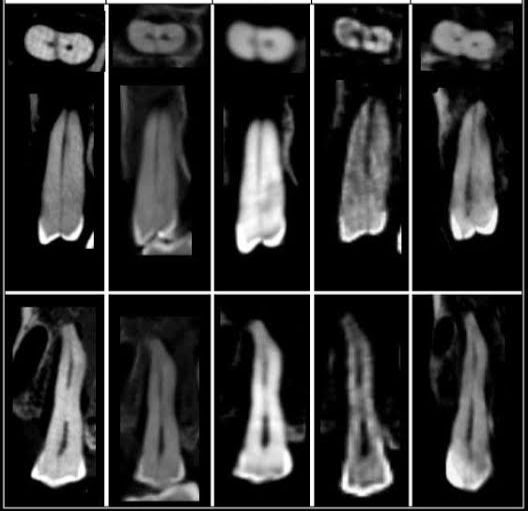
Oral Surgery: Preoperative planning for the removal of impacted teeth, cysts, and tumors.

Benefits:
Enhanced Diagnostic Capability: Provides comprehensive views that are not possible with 2D X-rays.
Minimally Invasive: Non-invasive imaging technique that significantly enhances diagnostic accuracy.
MRI Scans (Magnetic Resonance Imaging)
Uses:
Soft Tissue Imaging: Excellent for imaging soft tissues, such as muscles, nerves, and salivary glands.

Temporomandibular Joint (TMJ) Disorders: Helps in diagnosing TMJ issues by providing detailed images of the joint and surrounding tissues.

Lesion and Tumor Assessment: Useful in evaluating soft tissue lesions and tumors.
Benefits:
Superior Soft Tissue Imaging: Offers exceptional detail in soft tissue structures, surpassing CT in this regard.
No Ionizing Radiation: Safer for repeated use, especially in younger patients or those requiring multiple scans.
Intraoral Scanners
Uses:
Digital Impressions: Creates precise digital impressions of the teeth and gums, which can be used for crowns, bridges, orthodontics, and other restorative procedures.

Patient Education: Provides visual aids to help explain treatment plans to patients.
Monitoring Progress: Tracks changes in tooth position and alignment over time.
Benefits:
Improved Patient Experience: Eliminates the discomfort associated with traditional impression materials.
Precision and Efficiency: Produces highly accurate digital models quickly, improving the efficiency of the workflow.
Reduced Material Waste: Digital impressions reduce the need for physical impression materials and associated waste.


Comments