Understanding Gingivitis: Causes, Symptoms, and Treatment
- Kashifa Muskan

- May 25, 2024
- 2 min read
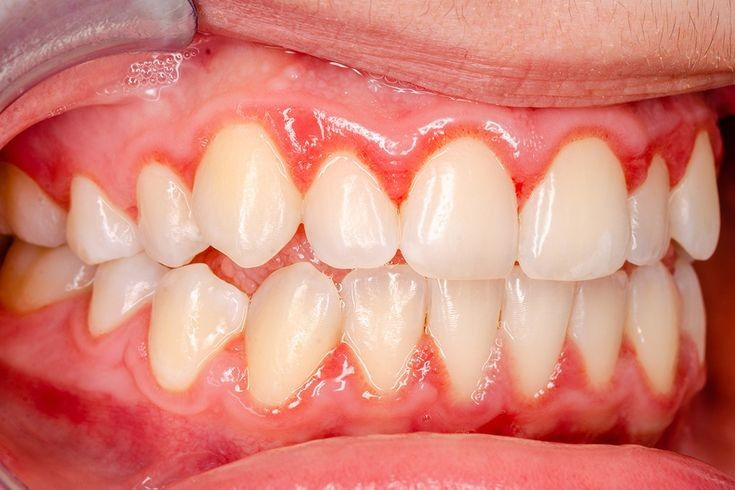
Gingivitis is a common but often overlooked dental issue that can lead to serious health problems if left untreated. It is a form of gum disease that causes inflammation and bleeding of the gums. Understanding the causes, symptoms, and treatment options is crucial for maintaining optimal oral health.
What is Gingivitis?
It occurs when plaque—a sticky film of bacteria—builds up on the teeth. If not removed through regular brushing and flossing, plaque can harden into tartar, which further irritates the gums and causes inflammation.
Causes of Gingivitis
Poor Oral Hygiene: Inadequate brushing and flossing can lead to plaque buildup.
Smoking and Tobacco Use: Tobacco products can impair gum health and contribute to gum disease.
Hormonal Changes: Pregnancy, menstruation, and menopause can make gums more sensitive and vulnerable to gingivitis.
Certain Medications: Some drugs can affect oral health by reducing saliva flow or causing gum overgrowth.
Chronic Diseases: Conditions like diabetes and autoimmune diseases can increase the risk of gum disease.
Poor Nutrition: A diet lacking in essential nutrients can weaken the immune system and make it harder for the body to fight infections.

Symptoms of Gingivitis
Red, swollen, or tender gums
Gums that bleed easily when brushing or flossing
Persistent bad breath
Receding gums
Soft gums that feel spongy to the
touch


Prevention and Treatment
Brushing and Flossing: Brush at least twice a day and floss daily to remove plaque from teeth and gums.
Regular Dental Visits: Professional cleanings and exams can detect and treat early signs of gingivitis.
Healthy Diet: A balanced diet rich in vitamins and minerals supports overall oral health.
Quit Smoking: Avoiding tobacco products can significantly reduce the risk of gum disease.


If you already have gingivitis, professional treatment is necessary. A dentist may perform a deep cleaning procedure called scaling and root planing to remove plaque and tartar from below the gumline. In some cases, an antiseptic mouthwash or oral antibiotics may be prescribed to control the infection.


Comments